Perimenopausewhats

Bloom35 › Perimenopause › Signs at 35

Perimenopause

Signs of perimenopause at 35 — what no one tells you

Most women expect perimenopause in their late 40s. But for many, the hormonal shift begins quietly — and confusingly — a full decade earlier. Here's how to recognise it.

You're 35, 37, maybe 39. You're sleeping badly. Your periods have changed. You're anxious in ways you weren't before. You've gained weight around your middle for no apparent reason. You feel like a different person — and not in a good way. You've Googled your symptoms, maybe even seen a doctor, and been told everything is "normal for your age."

Here's what no one told you: those symptoms have a name. And it's perimenopause. Not menopause — which is when your periods stop entirely. Perimenopause is the transitional phase that can last 4 to 12 years before that point. For a growing number of women, it starts in their mid-to-late 30s.

Why it starts earlier than you think

Perimenopause is triggered by a gradual decline in ovarian function — specifically, a drop in progesterone first, followed by fluctuating and eventually declining estrogen. This process doesn't follow a strict timetable. Genetics, stress levels, body composition, thyroid health, and environmental factors all influence when it begins.

The average age of menopause is 51. But perimenopause typically begins 8–10 years before that. Do the maths — and suddenly 35 makes perfect sense.

1 in 8

Women experience perimenopausal symptoms before age 40. Most go undiagnosed for 2–5 years.

The 10 signs most women miss at 35ies that actually help

These aren't the classic hot flushes you've heard about. The early signs are subtler, more confusing — and far more likely to be misdiagnosed as anxiety, depression, or burnout.

Myth vs. reality

The misinformation around early perimenopause keeps women from getting the support they need. Let's clear a few things up.

Myth

"You can't be perimenopausal at 35 — it only happens in your late 40s."

Fact

Perimenopause can begin a full decade before menopause. Starting at 35–38 is not rare — it's simply under-diagnosed.

Myth

"If you're still having periods, you can't be perimenopausal."

Fact

Perimenopause begins while you still have periods. Changed periods are one of its first signs — not the end stage.

Myth

"A blood test will confirm whether you're perimenopausal.

Fact

Hormone levels fluctuate so much during perimenopause that a single FSH or estrogen test is often misleading. Symptoms and history are more reliable.

What the hormonal transition looks like over time

Age 35–38 · Early perimenopause Progesterone begins to decline Sleep changes, anxiety, breast tenderness, slightly altered cycles. Estrogen is still relatively normal — this phase is the most frequently missed.

Age 38–43 · Mid perimenopause Estrogen starts to fluctuate More noticeable cycle changes, weight gain, brain fog, mood swings, hot flushes may begin. Symptoms become harder to ignore.

Age 43–50 · Late perimenopause Cycles become irregular Periods may skip months. Hot flushes and night sweats more common. Many women finally receive a diagnosis at this stage — often years after symptoms began.

Age 51 (average) · Menopause 12 months without a period Official menopause is confirmed retrospectively. The perimenopause journey is complete — and a new chapter begins.

Recommended products

These saved Bloom35 product picks are linked to this article because they support the routines or symptoms discussed here. Product links may be affiliate links.

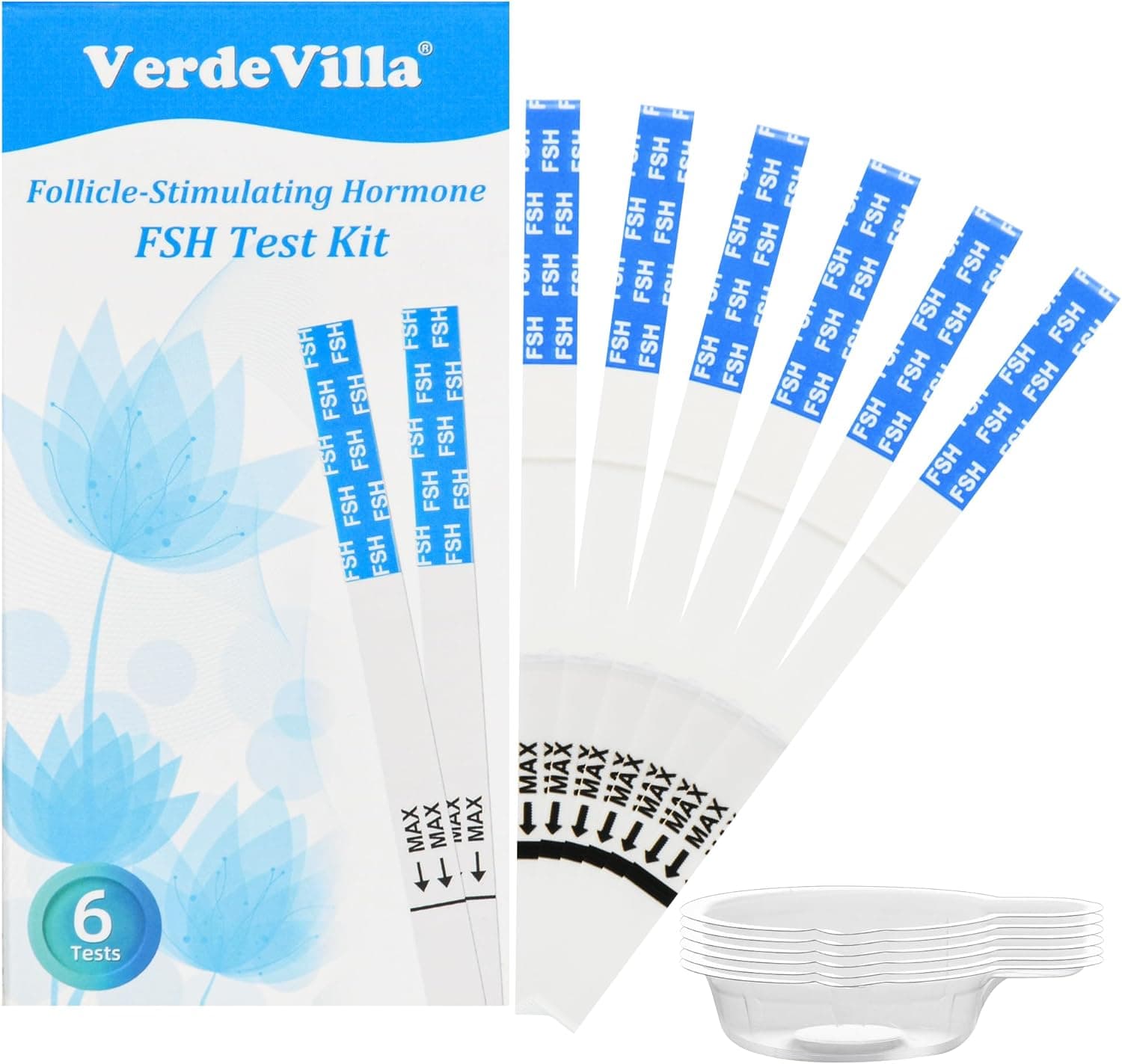
Menopause Test Kit at Home, FSH Perimenopause Test, No Pee Cup Needed, Help Understand Your Ovarian Reserve, Determine Your Fertility and Menopause Levels -6 Pack (6) product image

Menopause Test Kit

Menopause Test

Menopause Test Kit at Home, FSH Perimenopause Test, No Pee Cup Needed, Help Understand Your Ovarian Reserve, Determine Your Fertility and Menopause Levels -6 Pack (6)

What These Menopause Test Strips Can Help You Do: If you are planning to conceive, you should use these menopause tests to assist in determining your fertility. If you are experiencing...

View on Amazon
[5 Pack] Carethetic FSH Menopause Test Kit - Midstream At-Home Menopause Test, High-Sensitivity FSH Detection for Perimenopause & Fertility Monitoring product image

Perimenopause Test Kit

Perimenopause Test

[5 Pack] Carethetic FSH Menopause Test Kit - Midstream At-Home Menopause Test, High-Sensitivity FSH Detection for Perimenopause & Fertility Monitoring

Rapid, High-Sensitivity FSH Detection: Carethetic FSH Menopause Test Midstreams deliver accurate results with a 25 mIU/mL sensitivity, detecting Follicle Stimulating Hormone (FSH)...

View on Amazon

Start with the full perimenopause guide

Put this article in context with Bloom35's main guide to perimenopause support after 35, including sleep issues, brain fog, hot flashes, and symptom tracking.

Read perimenopause guideOpen symptom tracker

Keep reading

Education

Perimenopause vs menopause — what's the difference?

<p>The two words are used interchangeably all the time — even by doctors. But they describe very different phases with different symptoms, hormones, and treatments. Here's the clear explanation you deserve.</p>

Read article

Supplements

Best supplements for perimenopause weight loss

<p>The supplement market is flooded with promises. We cut through the noise — here are the only ones backed by real evidence for women navigating hormonal weight changes after 35.</p>

Read article

Metabolism

How to lose weight with a slow metabolism after 30

Your body changes — but that doesn't mean weight loss is impossible. Here's what science says actually works when your metabolism starts to shift.

Read article