No. 1 · Most Recommended
Magnesium Glycinate
The sleep & cortisol support supplement that can indirectly help reduce belly fat
Dosage:
300–400 mg, taken daily before bed
Magnesium plays a critical role in 300+ enzymatic reactions throughout the body—many of which regulate cortisol, insulin sensitivity, and sleep quality.
During perimenopause, magnesium depletion is especially common. This is often worsened by chronic stress and poor sleep, creating a cycle that can be difficult to break.
When cortisol levels remain elevated—particularly due to inadequate sleep—the body is more likely to store fat around the abdomen as a protective response.
Magnesium glycinate is widely regarded as one of the most bioavailable and gentle forms of magnesium. It’s less likely to cause digestive discomfort compared to other forms, making it a reliable choice for consistent use.
What You May Notice
- Improved sleep quality (often within 1–2 weeks)
- Lower cortisol levels
- Better insulin sensitivity
- Reduced anxiety and stress response
Why It Matters
Better sleep and lower stress hormones don’t just improve how you feel—they also support healthier metabolic function, which can make it easier to manage weight, especially around the midsection.
Evidence Strength
Very strong
Supported by multiple randomized controlled trials (RCTs) demonstrating benefits for sleep quality and stress regulation (cortisol reduction).
No. 2 · Foundational Essential
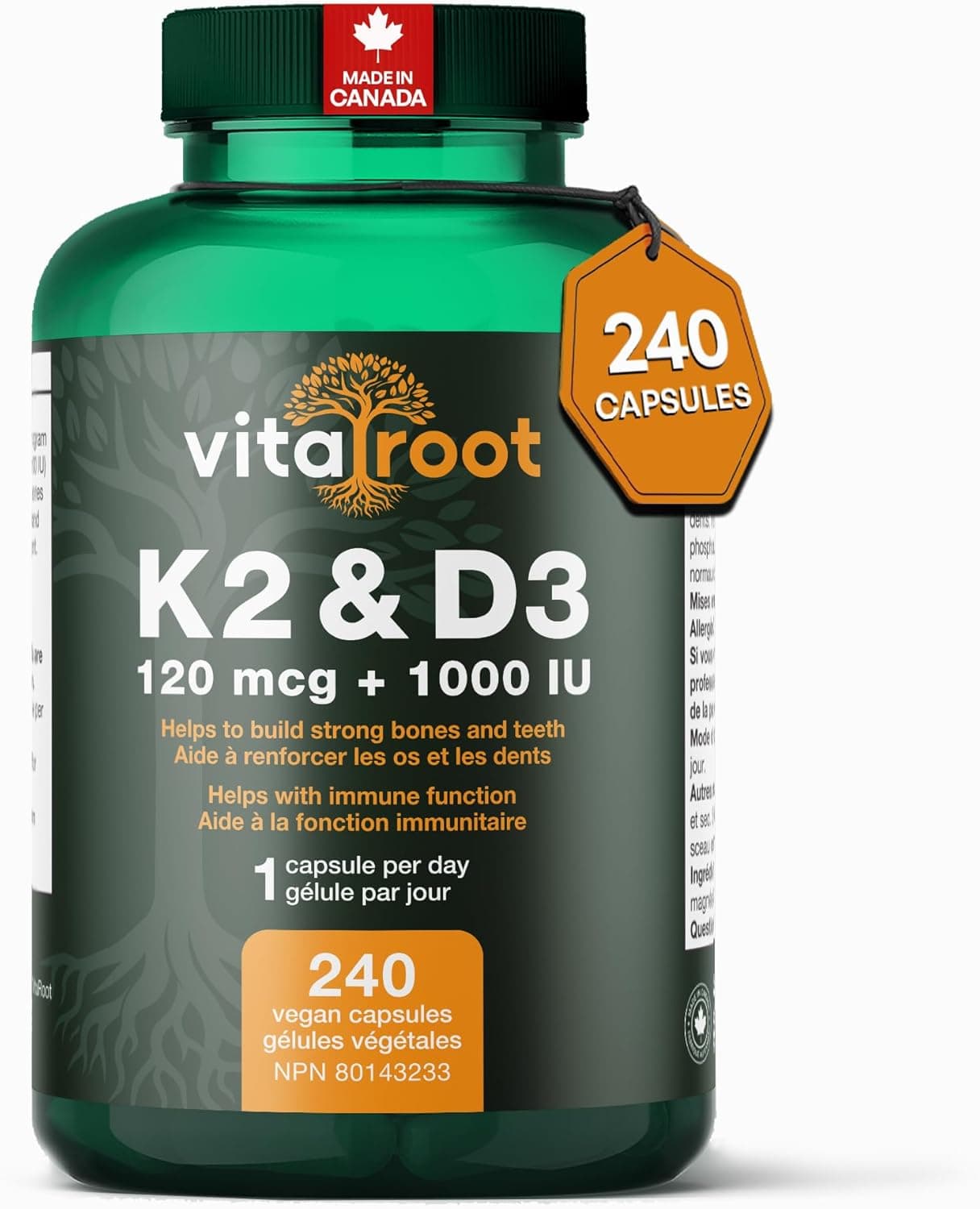
Vitamin D3 + K2
The common deficiency many perimenopausal women don’t realize they have
Dosage:
2,000–4,000 IU Vitamin D3, taken daily with food
(Paired with Vitamin K2 for optimal effect)
Vitamin D deficiency is strongly linked to weight gain, insulin resistance, low mood, and fatigue—all of which tend to intensify during perimenopause.
Research shows that women with adequate Vitamin D levels often lose more weight on calorie-controlled diets compared to those who are deficient. Yet, deficiency remains widespread—especially in northern climates, where sunlight exposure is limited for much of the year.
Because it’s difficult to obtain sufficient Vitamin D from food alone, supplementation becomes essential for many people.
Why Pair with Vitamin K2?
Vitamin K2 plays a critical supporting role by helping direct calcium to the bones, where it’s needed—rather than allowing it to accumulate in soft tissues.
This is especially important during perimenopause, when declining estrogen levels can impact bone density.
What You May Notice
- Improved insulin sensitivity
- Better bone health and density support
- Enhanced mood and energy levels
- Stronger immune function
Why It Matters
Optimizing Vitamin D levels helps support both metabolic health and hormonal balance, making it easier to manage weight and maintain overall well-being during this transition.
Evidence Strength
Strong
The association between Vitamin D deficiency and weight gain/metabolic dysfunction is well established in clinical research.
No. 3 · Anti-Inflammatory Powerhouse
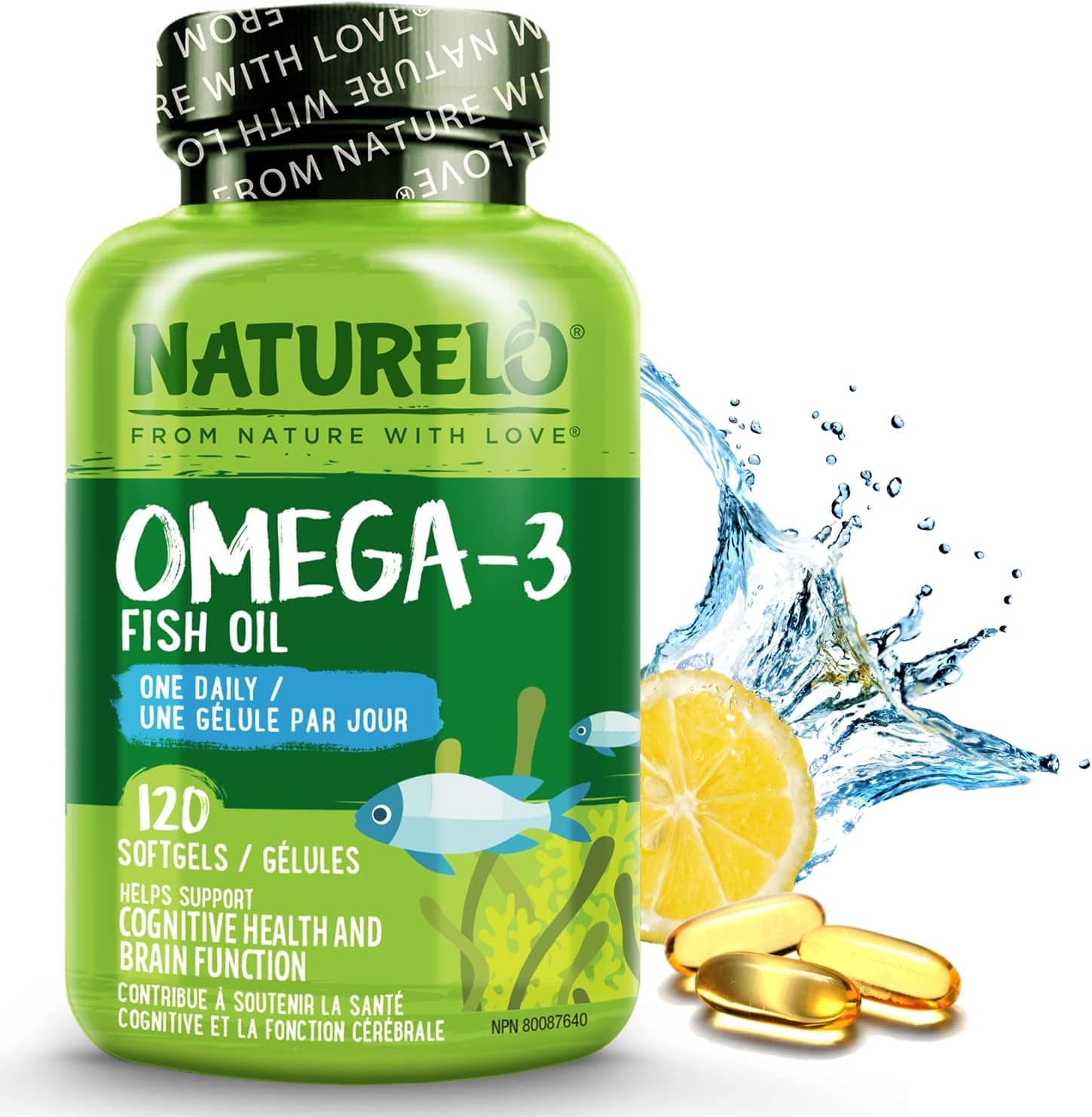
Omega-3 Fish Oil
Targets the hidden inflammation that contributes to hormonal weight gain
Dosage:
2–3 g combined EPA + DHA, taken daily with meals
Chronic low-grade inflammation is one of the most overlooked drivers of weight gain during perimenopause.
As estrogen levels decline—removing some of its natural anti-inflammatory protection—inflammation tends to rise. This shift can:
- Make fat cells more resistant to releasing stored energy
- Disrupt hunger and satiety signals in the brain
- Contribute to increased abdominal fat storage
Why Omega-3s Matter
High-quality omega-3 fish oil, particularly with at least 2 g of combined EPA and DHA, has been shown to reduce key inflammatory markers that are often elevated during this stage of life.
Beyond inflammation, omega-3s also support several systems impacted by hormonal changes.
What You May Notice
- Reduced inflammation
- Lower cortisol response to stress
- Improved mood and emotional stability
- Better cardiovascular support (especially important as estrogen declines)
Why It Matters
By addressing inflammation at the root, omega-3s help improve the body’s ability to regulate weight, respond to hunger signals, and manage stress—all of which can become dysregulated during perimenopause.
Evidence Strength
Strong
Backed by extensive research linking omega-3 fatty acids to reduced inflammation, improved mood, and better stress (cortisol) regulation.
No. 4 · Stress & Cortisol Support
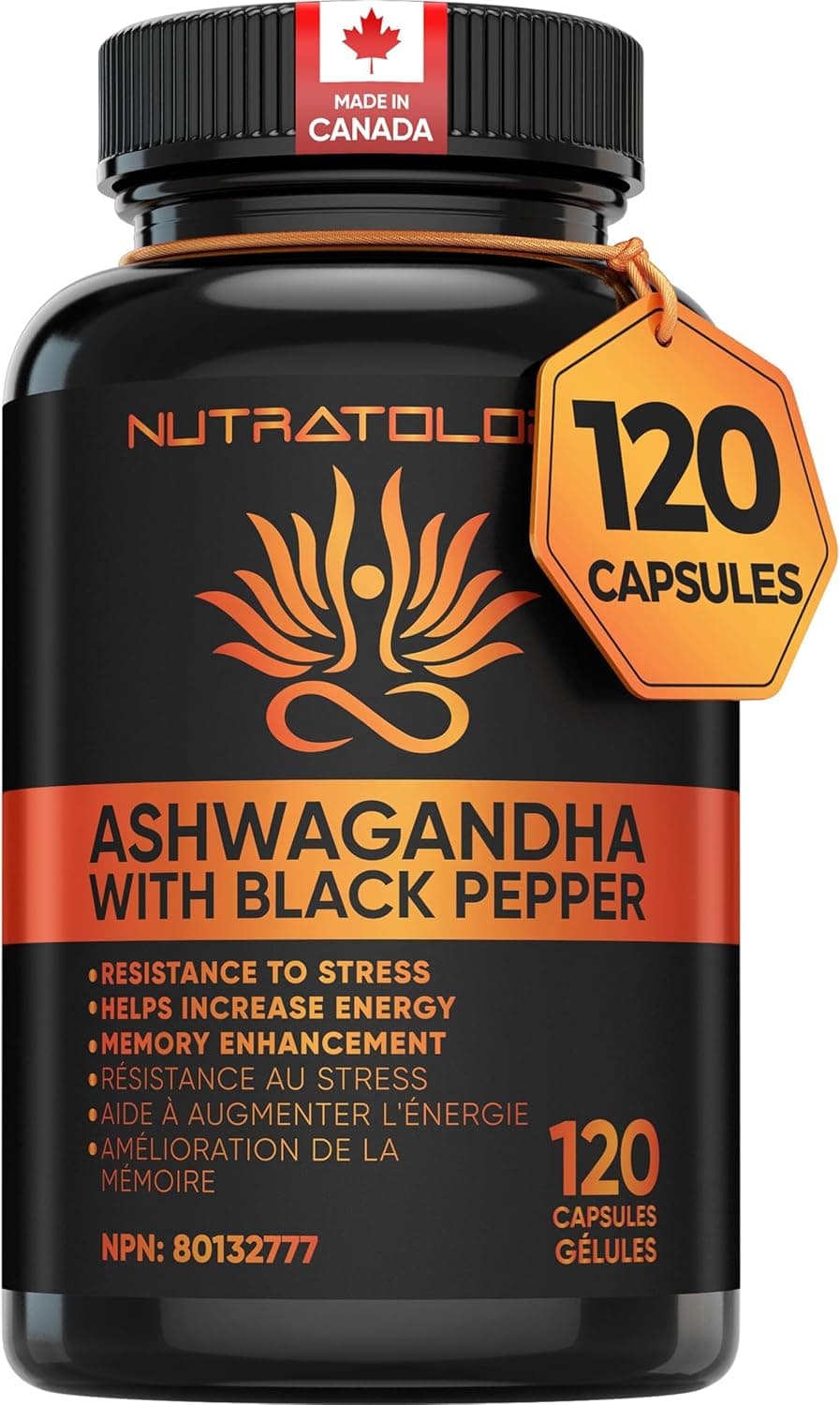
Ashwagandha
An adaptogen with strong clinical evidence for lowering cortisol and supporting weight management
Dosage:
300–600 mg daily
(Standardized extract such as KSM-66 or Sensoril)
Among the many adaptogens marketed for stress, ashwagandha stands out for having some of the most robust human clinical trial data—particularly in its standardized forms like KSM-66.
A widely cited 2019 clinical study found that participants taking KSM-66 ashwagandha experienced:
- Significant reductions in cortisol levels
- Decreases in body weight and BMI
- Improved overall stress resilience
- — all within 8 weeks, and without notable side effects
Why It Matters in Perimenopause
During perimenopause, the body often becomes more sensitive to stress hormones, especially cortisol. Elevated cortisol can:
- Promote abdominal fat storage
- Disrupt sleep patterns
- Negatively affect thyroid function
By helping regulate cortisol, ashwagandha may indirectly support metabolism, recovery, and hormonal balance.
What to Look For
Choose standardized extracts such as:
- KSM-66 (root extract, commonly used in studies)
- Sensoril (root + leaf extract, also clinically studied)
These forms ensure consistent potency and research-backed dosing.
What You May Notice
- Reduced cortisol and stress levels
- Decrease in belly fat over time
- Better sleep quality
- Support for thyroid function
Evidence Strength
Strong (for standardized extracts like KSM-66)
Supported by multiple randomized controlled trials (RCTs) in chronically stressed adults showing improvements in cortisol, weight, and stress markers.
No. 5 · Metabolism & Energy Support
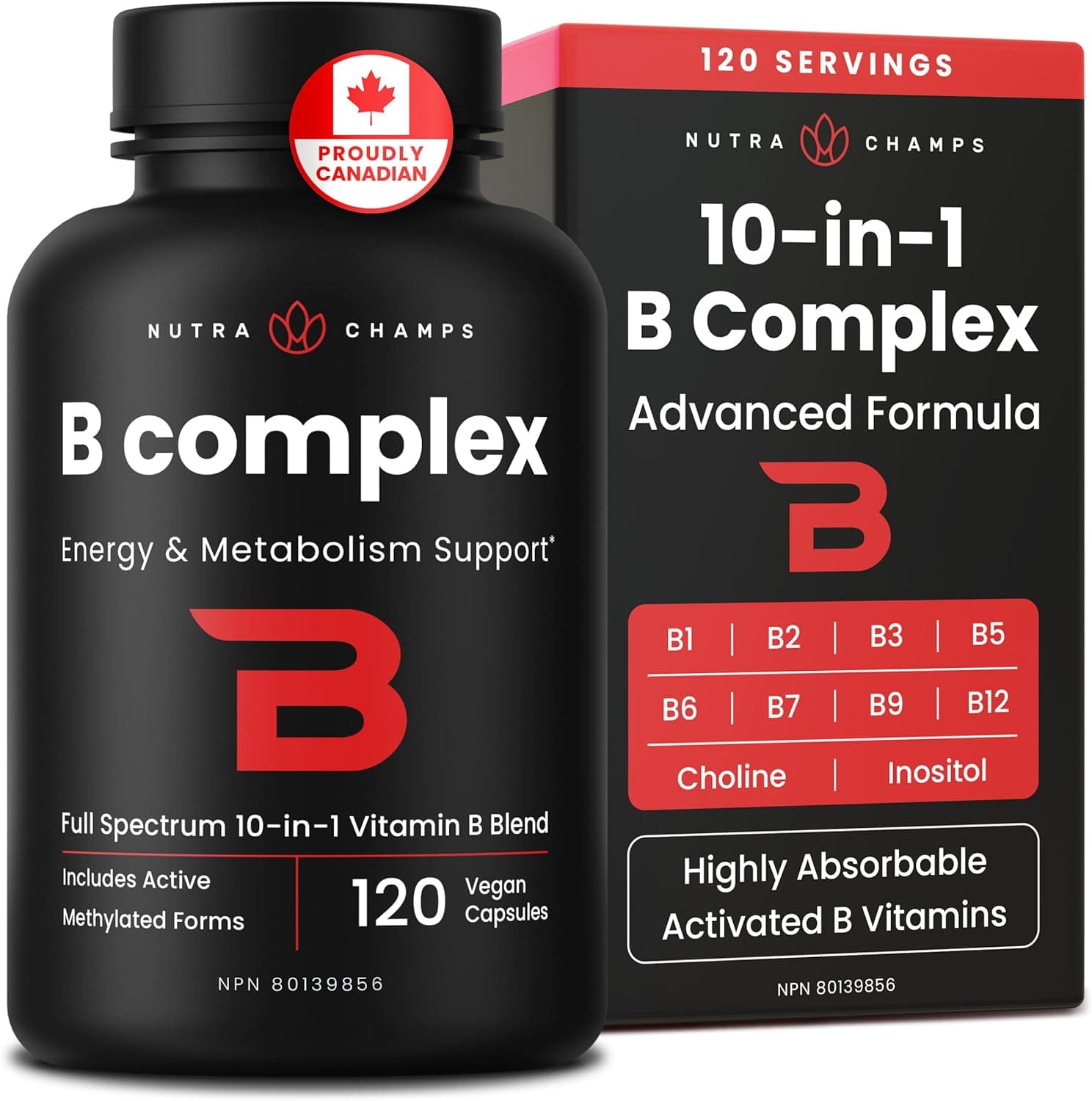
B-Complex (B6, B9, B12)
The often-overlooked deficiency that can slow metabolism and deepen fatigue
Dosage:
1 capsule daily, taken with breakfast
(Preferably a methylated B-complex)
B vitamins are essential for converting food into usable energy, making them critical for maintaining a healthy metabolism.
Deficiencies—especially in Vitamin B12, B6, and folate (B9)—are increasingly common in women over 35. These gaps can contribute to symptoms often attributed solely to perimenopause, including low energy, mood changes, and difficulty managing weight.
Why These B Vitamins Matter
- Vitamin B6 supports progesterone production and serotonin synthesis, influencing both mood and appetite regulation
- Vitamin B12 is crucial for energy production; deficiency can lead to profound fatigue, sometimes mistaken for hormonal imbalance
- Folate (B9), along with B6, plays a key role in estrogen metabolism within the liver, helping the body process and clear excess estrogen efficiently
Why Choose a Methylated Form?
Look for a B-complex that contains:
- Methylfolate (instead of folic acid)
- Methylcobalamin (a bioavailable form of B12)
These forms are more easily absorbed and utilized, especially for individuals with common genetic variations affecting B-vitamin metabolism.
What You May Notice
- Increased energy levels
- Improved mood and mental clarity
- Better appetite control
- More efficient hormone (estrogen) metabolism
Why It Matters
Optimizing B-vitamin status supports the body’s ability to produce energy, regulate mood, and process hormones properly—all of which are key during perimenopause.
Evidence Strength
Strong
B-vitamin deficiencies are well-documented, and their roles in energy metabolism and estrogen processing are strongly supported in clinical research.
No. 6 · Blood Sugar Control
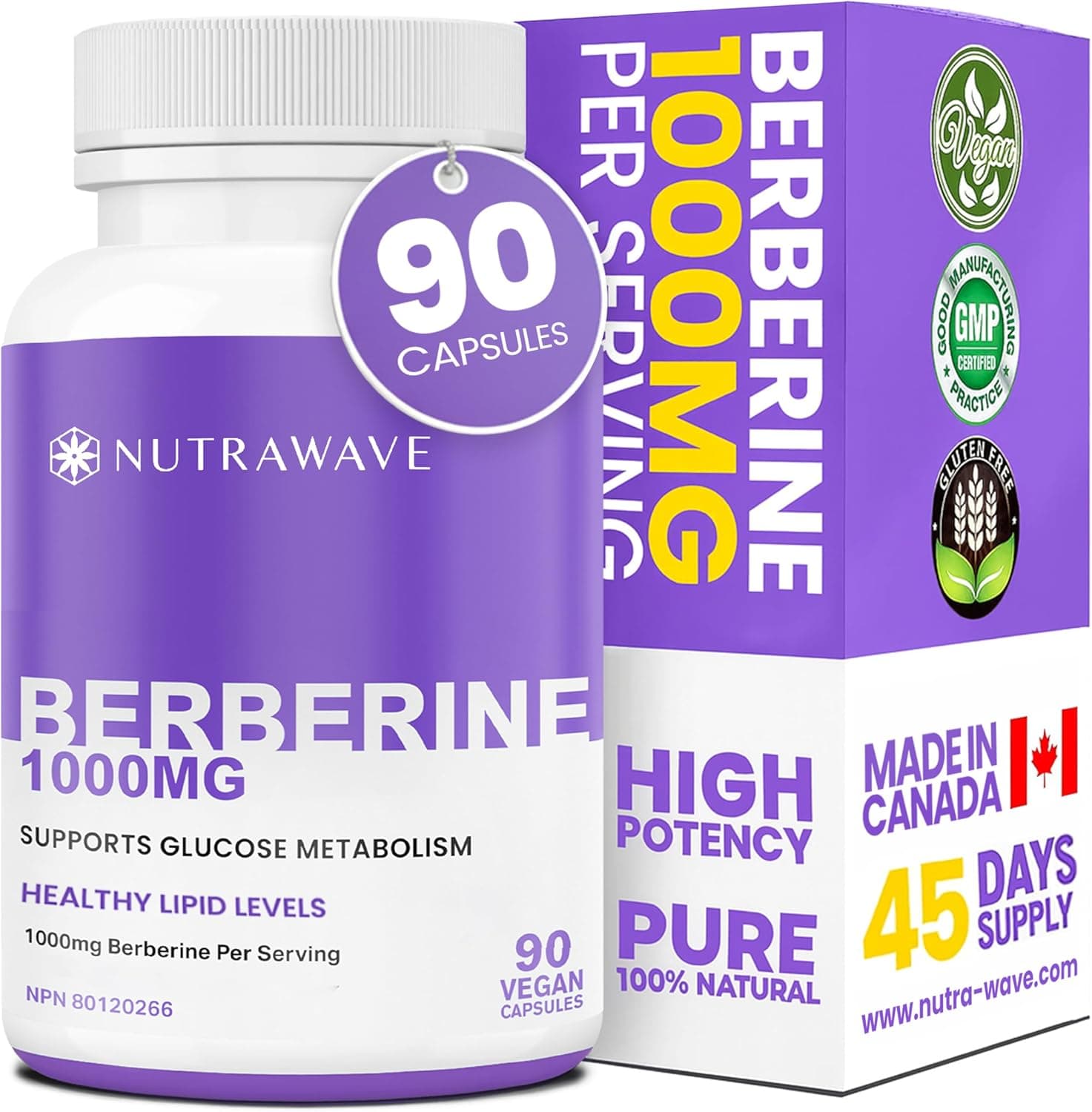
Berberine
A highly studied natural compound for improving insulin sensitivity and metabolic health
Dosage:
500 mg, taken 2–3 times daily before meals
Berberine is one of the most clinically researched natural compounds for supporting metabolic health.
Multiple meta-analyses have found that it can produce effects comparable to metformin when it comes to:
- Improving insulin sensitivity
- Lowering fasting blood glucose
These are especially important during perimenopause, when declining estrogen levels can worsen blood sugar regulation and increase the tendency to store fat—particularly around the abdomen.
How It Works
Berberine activates AMPK (adenosine monophosphate-activated protein kinase)—often referred to as the body’s “metabolic master switch.”
This is the same pathway activated by exercise, and it plays a key role in:
- Regulating glucose uptake
- Improving fat metabolism
- Enhancing overall energy balance
Who May Benefit Most
Women who notice that:
- Carbohydrates now lead to more rapid weight gain
- Energy crashes or blood sugar dips are more frequent
- Losing weight feels significantly harder than before
For these cases, berberine can be a meaningful addition to a broader nutrition and lifestyle strategy.
What You May Notice
- Improved insulin sensitivity
- Lower blood sugar levels
- Reduction in belly fat over time
- More stable energy levels
Important Considerations
Berberine can interact with certain medications (including those for blood sugar and blood pressure). It’s important to consult a healthcare provider before starting.
Evidence Strength
Very strong
Supported by multiple meta-analyses confirming benefits for insulin regulation, glucose control, and weight-related outcomes.
No. 7 · Thyroid & Hormone Support
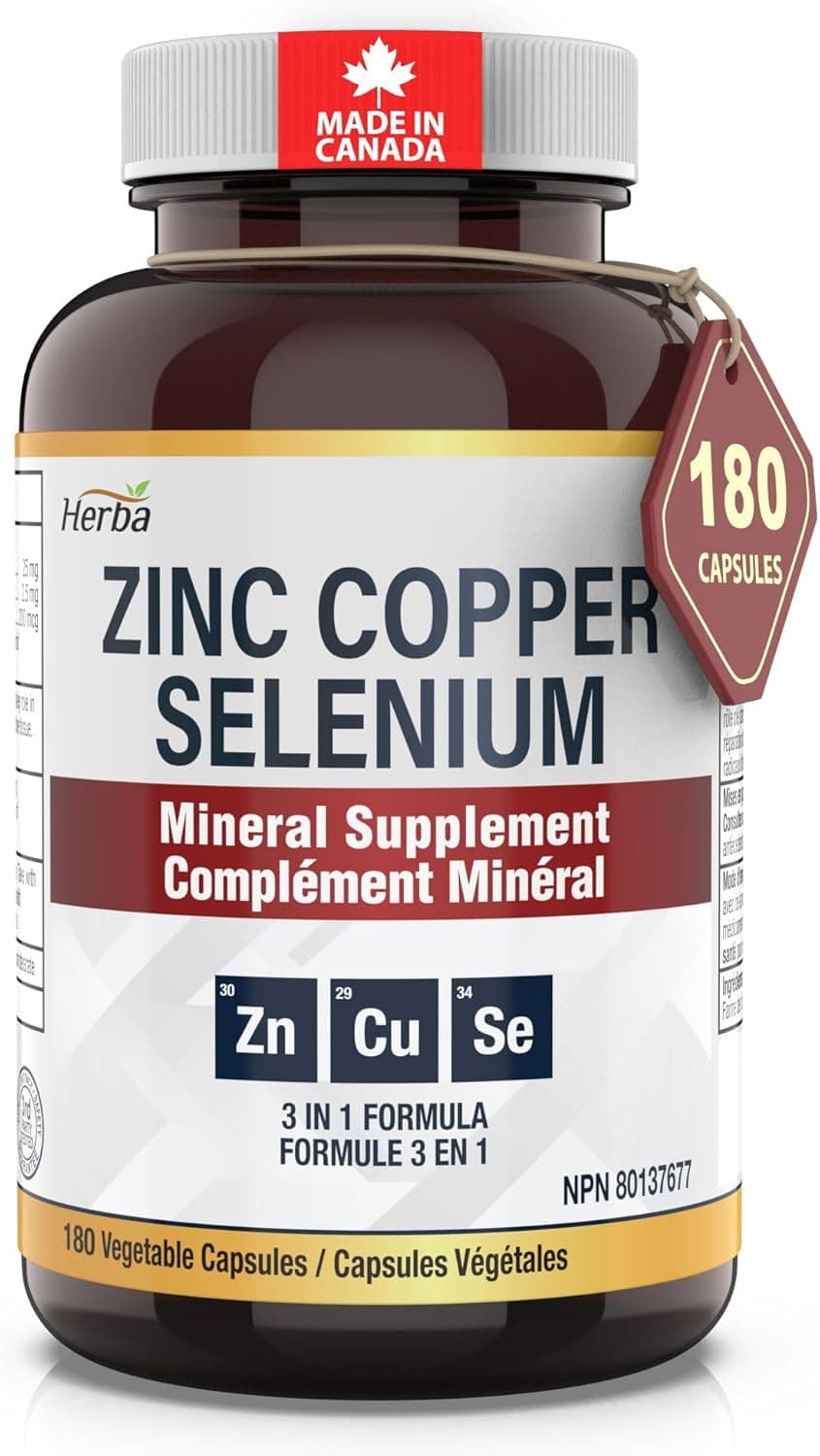
Zinc + Selenium
Two essential minerals that quietly support thyroid function and hormonal balance
Dosage:
- Zinc: 15–25 mg daily
- Selenium: 100–200 mcg daily
Thyroid dysfunction becomes more common during perimenopause, and an underactive thyroid can be a hidden driver of:
- Weight gain
- Persistent fatigue
- Hair thinning or loss
These symptoms are often mistaken for hormonal changes alone—but thyroid health plays a major role.
Why Zinc & Selenium Matter
Both minerals are critical for the conversion of T4 (inactive thyroid hormone) into T3 (active form)—the hormone your cells actually use to regulate metabolism and energy.
- Zinc supports hormone production and immune function
- Selenium is essential for thyroid enzyme activity and is a key component of glutathione, the body’s primary antioxidant
As estrogen declines, oxidative stress increases, making selenium’s antioxidant role even more important.
A Common Deficiency
Chronic stress and modern dietary patterns (especially typical Western diets) can deplete both zinc and selenium. Deficiency becomes more likely with age—particularly in women over 35.
What You May Notice
- Improved thyroid hormone conversion (T4 → T3)
- Better energy levels and metabolism
- Support for hormone production
- Enhanced immune resilience
Why It Matters
Healthy thyroid function is foundational for metabolism, energy, and weight regula
tion. Supporting it with key nutrients like zinc and selenium can help address underlying imbalances that often go unnoticed.
Evidence Strength
Moderate to strong
The role of zinc and selenium in thyroid hormone conversion and antioxidant protection is well established in clinical and biochemical research.