Prioritise protein at every meal
Protein has a high thermic effect — your body burns 20–30% of its calories just digesting it. Aim for 25–35g per meal to preserve muscle and stay full longer.

Your body changes — but that doesn't mean weight loss is impossible. Here's what science says actually works when your metabolism starts to shift.
If you've been doing "everything right" — eating less, moving more — and still can't seem to shift the weight, you're not imagining things. After 30, and especially during perimenopause, your body operates by a completely different set of rules. The good news? Once you understand those rules, you can work with your body instead of against it.
Metabolism isn't just one thing — it's a collection of processes that convert food into energy. After 30, several changes happen simultaneously that conspire to slow things down.
You begin losing muscle mass (a process called sarcopenia) at a rate of about 3–5% per decade after 30. Since muscle burns far more calories at rest than fat does, less muscle means fewer calories burned daily — even while you sleep.
200–300
Extra calories your body burned per day at age 25 — that silently disappear by your mid-40s
On top of that, hormonal shifts — particularly declining estrogen during perimenopause — change where your body stores fat (hello, belly), how insulin-sensitive your cells are, and how efficiently your thyroid functions. It's not about willpower. It's biology.
6 proven strategies that actually work
Protein has a high thermic effect — your body burns 20–30% of its calories just digesting it. Aim for 25–35g per meal to preserve muscle and stay full longer.
Strength training is the single most effective way to rebuild metabolic rate after 30. More muscle = more calories burned 24/7, not just during workouts.
Dropping below 1,200 calories signals starvation mode — your body down-regulates metabolism further. Eat enough to fuel muscle repair and hormonal health.
Chronic stress raises cortisol, which directly triggers fat storage around the abdomen. Sleep 7–9 hours, limit caffeine after noon, and add stress-reduction practices.
Eat the majority of your carbs around workouts when insulin sensitivity is highest. Avoid large carb loads at night when your body is least equipped to process them.
A gentle 12-hour overnight fast (e.g. 7pm–7am) gives your body time to burn stored fat without the hormonal disruption of extreme fasting protocols.
Certain foods have evidence-backed metabolic benefits — not miracle cures, but consistent daily choices that add up significantly over time.
EGCG boosts fat oxidation by up to 17%
Magnesium supports thyroid & insulin function
Complete protein, keeps you full 4–5 hours
Reduce inflammation that stalls fat loss
Omega-3s reduce cortisol and aid fat burning
Improves insulin sensitivity after meals
Weight loss after 30 isn't just calories in, calories out. Estrogen, progesterone, cortisol, insulin, and thyroid hormones all interact in ways that directly control where fat is stored and how readily the body releases it.
When estrogen declines during perimenopause, fat that used to distribute across the hips and thighs migrates to the abdomen — a metabolically more active and more dangerous type of fat storage. This is why the same diet that worked at 28 simply doesn't work at 38.
The solution isn't to eat less. It's to eat smarter — with foods and timing patterns that keep these hormones in better balance. That's the foundation of everything we teach at Bloom35.
These saved Bloom35 product picks are linked to this article because they support the routines or symptoms discussed here. Product links may be affiliate links.
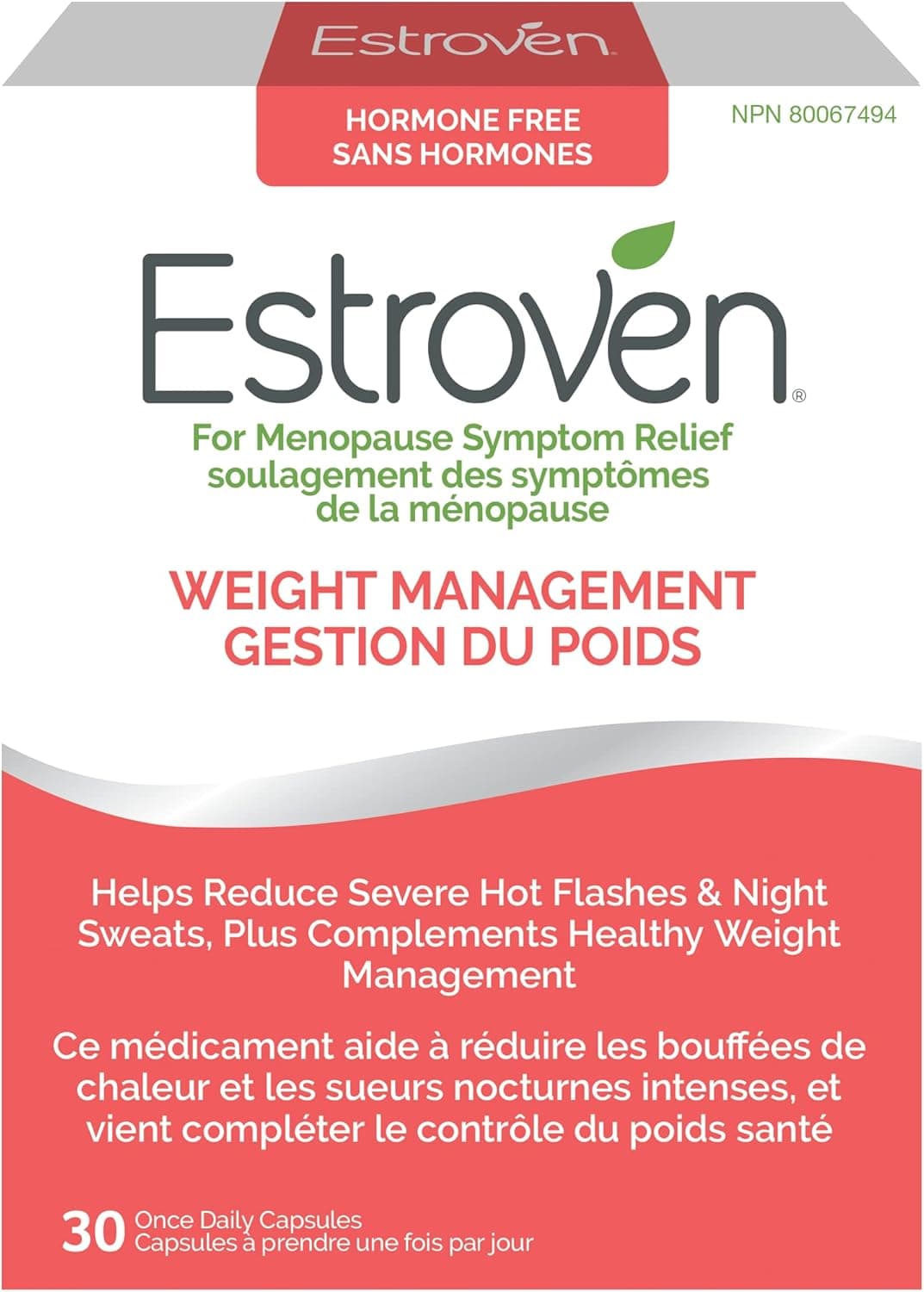
EFFICIENT WEIGHT MANAGEMENT: The decline in serotonin levels during menopause can result in feelings of hunger, a less efficient metabolism, and moodiness. Estroven Weight Management...
View on Amazon
ALL-IN-ONE BOTANICAL ANTIOXIDANT FORMULA A premium blend of Moringa, Ceylon Cinnamon, Turmeric (Curcumin), Ginger, Tart Cherry, and Garlic — six herbal extracts known for their...
View on AmazonPut this article in context with Bloom35's main guide to perimenopause support after 35, including sleep issues, brain fog, hot flashes, and symptom tracking.